
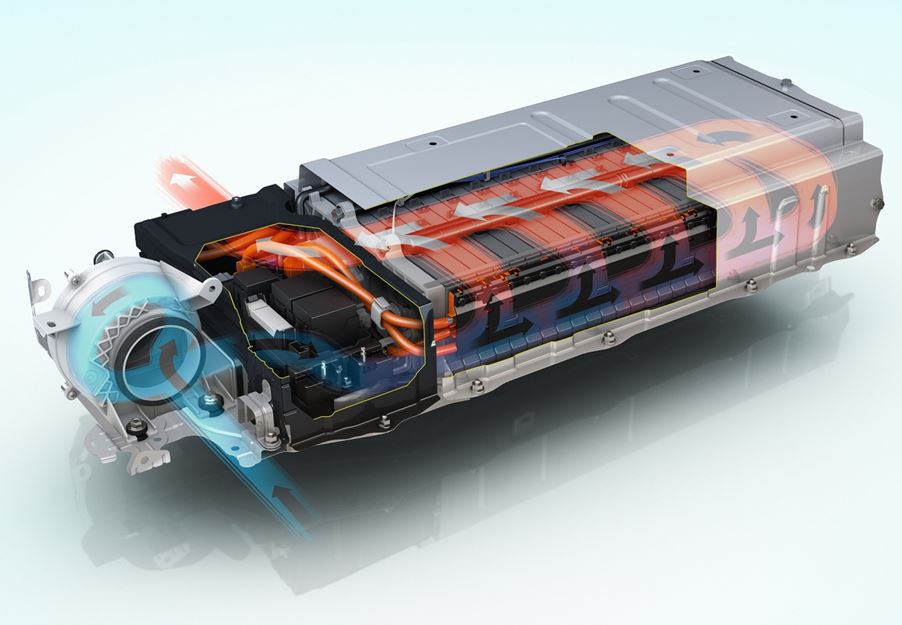

In today’s competitive automotive market, efficiency is no longer limited to engine performance or aerodynamics. A critical area gaining strategic attention is adaptive thermal management—the intelligent regulation of heat flow within a vehicle’s powertrain, battery pack, and cabin systems. As vehicles adopt hybrid and electric powertrains, the challenge of managing temperature efficiently becomes essential to performance, safety, longevity, and energy conservation.
This article explores how adaptive thermal management systems work, why they are transforming both EV and internal combustion platforms, and what manufacturers and fleet operators can gain by integrating advanced thermal optimization strategies.
Why Thermal Management Matters More Than Ever
Modern vehicles generate and redistribute heat in numerous systems, including the engine block, transmission, power electronics, brake assemblies, and battery modules. Maintaining an optimal temperature range is essential because:
-
Excessive heat accelerates component wear
-
Low operating temperatures reduce energy efficiency
-
Temperature fluctuations increase maintenance frequency
-
Battery chemistry is highly temperature-sensitive
As vehicle architectures become more electrified and software-driven, thermal management is moving from a passive cooling function to an active, intelligent optimization system that helps maintain operational performance in real time.
From Static Cooling to Adaptive Control Systems
Traditional cooling systems used a basic thermostat-controlled coolant cycle, keeping temperatures within a broad acceptable range. While effective for earlier automotive designs, these systems lack the precision required for today’s high-density power systems.
Adaptive thermal management systems integrate:
-
Electronic control units (ECUs) for dynamic temperature regulation
-
Sensor networks measuring heat signatures throughout the vehicle
-
Variable-speed pumps and fans instead of single-speed components
-
Thermal storage and heat exchangers to redistribute heat efficiently
-
Software algorithms that predict and respond to changing load demands
With these advancements, temperature regulation becomes proactive rather than reactive—reducing energy waste while improving reliability.
The Impact on Electric Vehicles and Battery Health
Electric vehicles rely heavily on thermal regulation because both the battery pack and power electronics generate substantial heat during fast charging and high-power output. Even small variations in temperature can significantly influence:
-
Battery lifespan
-
Charging speed
-
Vehicle driving range
-
Safety under extreme climate conditions
For example, if an EV’s battery temperature rises above its optimal threshold during fast charging, the system may slow the charging rate to protect the cells. With adaptive thermal control, heat can be dissipated more efficiently, allowing faster charging without compromising safety.
Key EV Thermal Management Strategies
-
Liquid cooling loops that circulate coolant through battery modules
-
Heat pipe systems distributing heat quickly across cells
-
Phase-change materials storing heat to prevent temperature spikes
-
Reversible heat pumps using battery warmth to heat the cabin in winter
These strategies ensure that the EV battery operates at the narrow temperature window needed to preserve longevity and maximize driving range.
Benefits for Internal Combustion and Hybrid Powertrains
Although electrification is growing, internal combustion engines are still widely used in commercial fleets, performance vehicles, and heavy-duty machinery. Adaptive thermal management provides meaningful advantages here too.
Improvements in Fuel Efficiency and Emissions
When an engine reaches optimal temperature faster, it burns fuel more efficiently. Adaptive thermal systems:
-
Reduce warm-up time
-
Minimize heat loss from the coolant system
-
Improve compressor and pump power usage
This leads to lower fuel consumption and reduced emissions, especially during stop-and-go driving cycles.
Enhanced Component Durability
Keeping transmissions, turbochargers, and exhaust treatment systems within ideal heat ranges helps prevent:
-
Metal fatigue
-
Oil breakdown
-
Premature gasket failure
-
Turbocharger lag caused by temperature imbalance
This reduces both maintenance cost and downtime, particularly for commercial fleets.
The Role of Predictive Software and Real-Time Analytics
What sets modern thermal systems apart is their ability to learn and adapt through continuous monitoring. Advanced analytics platforms use data from thousands of vehicles to:
-
Predict thermal stress under different driving patterns
-
Suggest optimized component layouts and heat distribution
-
Detect early warning signs of system degradation
-
Improve cabin comfort while minimizing HVAC energy use
This shift moves automotive engineering from static calibration to dynamic intelligence—similar to how autopilot systems evolved from basic cruise control.
Applications in High-Performance and Motorsport Engineering
Performance vehicles and race teams have long recognized the importance of thermal control. Every horsepower gained results in heat output that must be dissipated efficiently.
Adaptive thermal management in high-performance settings allows:
-
Higher sustained power output without overheating
-
Reduced aerodynamic drag from smaller cooling inlets
-
Improved track endurance and reliability
-
More aggressive turbo and battery cooling strategies
Consumers benefit because these innovations eventually transition into mainstream vehicle designs.
Future Trends in Automotive Thermal Management
The next evolution of thermal optimization will integrate:
1. AI-Enhanced Cooling Algorithms
Machine learning will adjust cooling strategies based on environmental conditions, driving patterns, and component aging.
2. Integrated Energy-Sharing Loops
Heat generated by power electronics may be reused to warm the cabin or battery, eliminating separate heating systems.
3. Smart Materials and Microchannel Radiators
Lighter, more compact cooling systems will support aerodynamic efficiency and EV range improvements.
4. Vehicle-to-Infrastructure Climate Interaction
Connected vehicles may pre-condition batteries based on charging station availability or weather forecasts.
Conclusion
Adaptive thermal management systems are redefining what it means to engineer efficient, durable, and high-performing vehicles. Whether in EV platforms requiring precise temperature control or traditional engines where efficiency remains a priority, this technology is crucial for future automotive innovation. Companies that invest now will have an edge in cost control, customer satisfaction, performance, and regulatory compliance.
Frequently Asked Questions (FAQ)
1. Why is thermal management more critical in electric vehicles?
Because batteries and power electronics operate efficiently within a narrow temperature range, improper cooling or heating can quickly reduce performance and lifespan.
2. How does adaptive thermal management improve fuel efficiency?
By bringing systems to optimal temperatures faster and reducing energy waste from pumps and fans, vehicles consume less fuel or battery power.
3. Can older vehicles be upgraded with adaptive thermal systems?
Full retrofitting is difficult, but certain components such as variable-speed pumps or improved heat exchangers can be installed.
4. What role does software play in thermal optimization?
Software uses sensor data to predict heat loads and adjust cooling strategies dynamically, improving efficiency without manual intervention.
5. Does adaptive thermal management increase vehicle cost?
Initial system cost may be higher, but reduced maintenance, longer component life, and higher efficiency often result in net cost savings.
6. How does thermal management affect driving range in EVs?
Efficient heat control minimizes unnecessary battery drain and preserves energy for propulsion, increasing usable driving range.
7. Is thermal management important in commercial fleets?
Yes, it significantly reduces downtime, maintenance frequency, and operating costs—key priorities for fleet profitability.

Comments are closed.