
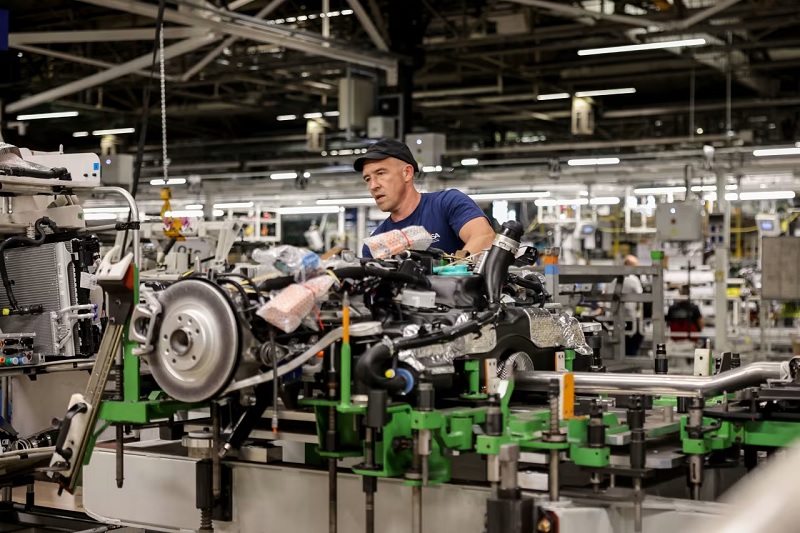

The sheer scale of global automotive manufacturing is staggering. Every single day, tens of thousands of vehicles roll off assembly lines around the world, each one an incredibly complex assembly of steel, aluminum, glass, plastics, and rare-earth metals. For over a century, the industry operated under a linear production model that treated raw materials as infinite and industrial waste as a simple, unavoidable cost of doing business. Dumpsters overflowing with stamped metal offcuts, degraded solvents, and plastic scrap were standard fixtures behind every major production plant.
Today, that reality has fundamentally shifted. Driven by shrinking profit margins, aggressive environmental regulations, and a demanding consumer base, automotive manufacturers have been forced to rethink their relationship with raw materials. The modern automotive factory is no longer just an assembly hub; it is a highly calibrated, data-driven ecosystem designed to extract maximum value from every single ounce of material that comes through its loading docks. Eradicating production waste is now treated with the same engineering rigor as horsepower, aerodynamics, and crash safety.
The Transition to Closed-Loop Material Recovery
The most significant leap forward in factory efficiency is the widespread adoption of closed-loop manufacturing. Instead of treating scrap as garbage, modern facilities view it as unrefined, valuable inventory.
Aluminum and Steel Repurposing
When massive hydraulic presses stamp out car doors, hoods, and roof panels from large sheets of metal, a significant amount of excess material is naturally left behind. In the past, these offcuts were gathered in bins and eventually sold for pennies on the dollar to third-party scrap yards. Today, major automakers have implemented closed-loop recycling systems directly integrated into their stamping facilities. The moment excess aluminum or steel is sheared away from a body panel, it is immediately collected by automated vacuums or conveyors, shredded, and sent straight back to the foundry to be melted down and rolled into new sheets. This localized recycling process requires a fraction of the energy needed to process virgin ore and ensures that high-grade automotive metal remains within the supply chain, virtually eliminating physical material loss.
Reclaiming Industrial Fluids
Automotive manufacturing requires millions of gallons of specialized fluids, including engine coolants, machining lubricants, and heavy hydraulic oils. Historically, these liquids naturally degraded over time due to heat and contamination, resulting in them being flushed out and expensively disposed of as hazardous waste. Modern plants now utilize advanced on-site filtration and centrifuge systems that actively strip metal shavings, dirt, and water out of used lubricants. By continuously cleaning and re-injecting these fluids back into the factory machinery, manufacturers can extend the lifespan of their industrial liquids indefinitely, neutralizing a massive source of chemical waste and reducing procurement costs.
Artificial Intelligence and Precision Nesting
Material loss often occurs before a part is even fully formed, simply due to inefficient cutting patterns. Whether a factory is slicing through high-strength steel for a chassis subframe or cutting premium leather for interior seating, the empty space left between the cut patterns is pure waste.
To combat this, automotive engineers now heavily rely on artificial intelligence and advanced nesting software. Before a single physical cut is made on the factory floor, algorithms analyze the exact dimensions of the raw material and arrange the required part templates like a highly complex, borderless puzzle. The software calculates millions of potential layouts in milliseconds, finding the one specific arrangement that leaves the absolute narrowest margins between parts. In the upholstery department, optical scanners even read the raw hides of leather to detect natural flaws or scars, directing the automated cutting blades to work around the blemishes while still utilizing over ninety percent of the usable surface area.
Additive Manufacturing and the End of Subtractive Waste
For decades, creating complex metal brackets, engine components, or custom tooling required subtractive manufacturing. A machinist or robotic arm would start with a solid block of raw aluminum or steel and use heavy milling machines to carve away everything that was not the part. This method routinely turned more than half of the original, highly expensive metal block into useless shavings on the floor.
The integration of industrial 3D printing, known as additive manufacturing, has completely inverted this process. Instead of cutting away material, 3D printers build components layer by microscopic layer, depositing metal powder or high-strength polymers only exactly where they are needed. This results in a final component that generates absolutely zero material waste during its creation. While additive manufacturing is currently too slow for high-volume exterior body panel production, it has completely revolutionized how factories produce specialized engine components, low-volume performance parts, and the vital robotic tooling grips used every day on the main assembly line.
Revolutionizing the Automotive Paint Shop
The paint shop is notoriously the most expensive, energy-intensive, and wasteful department in any automotive plant. Traditional wet-spray techniques resulted in massive amounts of overspray, where airborne paint particles missed the vehicle chassis and were captured by walls of falling water designed to keep the air clean. This created thousands of tons of toxic, heavy paint sludge that had to be carefully excavated, treated, and shipped to specialized landfills.
Modern facilities have replaced these outdated water walls with dry scrubber technologies. As robotic arms spray the vehicles, the excess paint mist is drawn downward through floor grates and captured by pulverized limestone or specialized heavy-duty cardboard filters. Because there is no water involved in the process, the captured paint dust remains dry and chemically stable, allowing it to be repurposed into industrial sealants or concrete mixtures for construction. Beyond that, by eliminating the massive water pits, factories drastically reduce their overall water consumption and the vast amount of electricity previously required to control the intense humidity of the paint booths.
Just-in-Time Inventory and the Eradication of Overproduction
Waste in a manufacturing setting is not just physical scrap; it is also the gross misallocation of time, space, and capital. Storing massive surpluses of car parts inherently leads to waste. Rubber weather stripping dries out in warehouses, steel components develop surface rust, and plastic interior brackets become obsolete when a vehicle design changes mid-year, forcing the factory to throw away perfectly good, unused inventory.
To eliminate this hidden waste, modern factories operate on a strict Just-in-Time logistics model. Parts are no longer produced in massive, blind batches just to keep the machines running. Instead, the assembly line dictates exactly what is needed in real-time. Outside suppliers deliver seating assemblies, dashboard consoles, and complex wiring harnesses to the loading dock only hours before they are scheduled to be bolted into a chassis. By keeping inventory incredibly lean, automakers prevent the physical degradation of stored parts and ensure that they never waste raw materials building components that are not immediately required for a sold vehicle.
Ultimately, the push toward zero-waste manufacturing is a testament to the incredible evolution of automotive engineering. The factories of the future will not be defined solely by the speed of their assembly lines or the sheer volume of cars they can produce, but by their ability to operate as perfectly sealed, highly efficient loops where absolutely nothing is squandered.

Comments are closed.